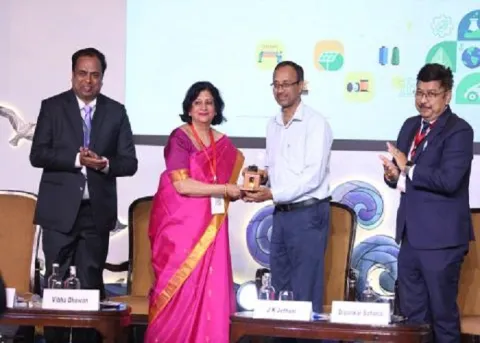
TERI launched LaBL 2.0 in New Delhi to scale decentralised renewable energy (DRE) for green livelihoods, women entrepreneurship, and climate action. In partnership with MNRE, the initiative focuses on clean energy access, carbon accounting, and climate finance aligned with Net Zero 2070. Leaders like Vibha Dhawan emphasized inclusive growth. LaBL 2.0 aims to transform rural economies through scalable, sustainable energy solutions and strengthen India’s clean energy transition and sustainable development goals.
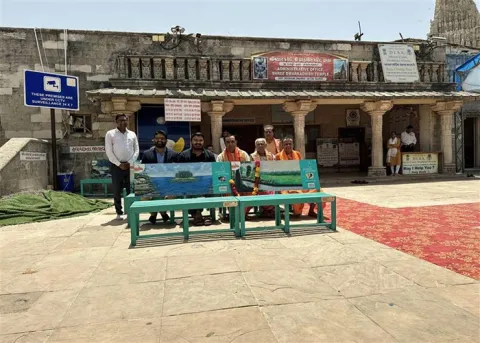
Bisleri International installed 10 recycled plastic benches at Dwarkadhish Temple under its Bottles for Change initiative, promoting plastic recycling and sustainability. Made from 40,000 bottle caps each, the benches highlight circular economy innovation and community awareness. Artwork by Mouth and Foot Painting Artists adds inclusivity and creativity. Officials praised the initiative for encouraging responsible waste management, while the company reaffirmed its commitment to environmental conservation and behavioural change in India.
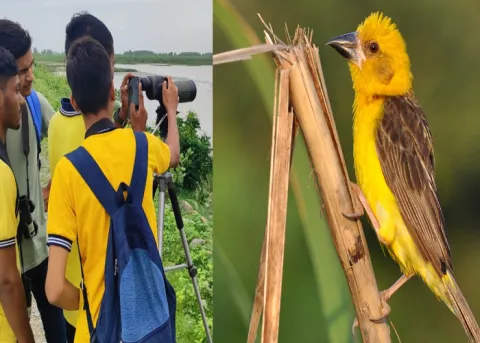
Nature Science Initiative is driving bird conservation awareness in Uttarakhand by engaging students to protect the endangered Finn’s Weaver, with fewer than 1,000 globally. Through the Wipro earthian program, schools are studying wetlands, biodiversity, and threats like pollution and habitat loss. Student-led efforts, field visits, and collaboration with authorities highlight community-driven conservation, inspiring young eco-leaders to safeguard the fragile Terai ecosystem.

Leaders under Lanjigarh Anchalika Vikas Parishad urged reopening of Lanjigarh bauxite mines to drive economic growth in Odisha. Submitting a memorandum to MLAs Sagar Charan Das, Sudhir Ranjan Pattjoshi, and Pradeep Kumar Dishari, they emphasized Gram Sabha approval, job creation, and responsible mining. The move aims to boost investment, employment, and socio-economic development in Kalahandi and Rayagada, among Odisha’s most underdeveloped regions.